From Gold Rush beginnings to modern civic life, Sacramento offers a layered story told through its historic buildings, parks, and public spaces. This city guide invites visitors and locals alike to explore ten essential landmarks that reflect Sacramento’s rich heritage, architectural beauty, and vibrant community spirit. Whether you're wandering through underground streets, standing beneath a cathedral dome, or watching a film in an Art Deco theater, each stop offers a unique perspective on California's capital city.
Table of Contents
- California State Capitol & Capitol Park
- Cathedral of the Blessed Sacrament
- Sacramento City Library (Central Branch)
- Cesar Chávez Plaza
- Sacramento Historic City Cemetery
- Pony Express Terminal (B.F. Hastings Building)
- Old Sacramento Underground
- Big Four Building (Old Sacramento Icehouses)
- Tower Theatre
- Sutter’s Landing (California Historical Landmark #591)
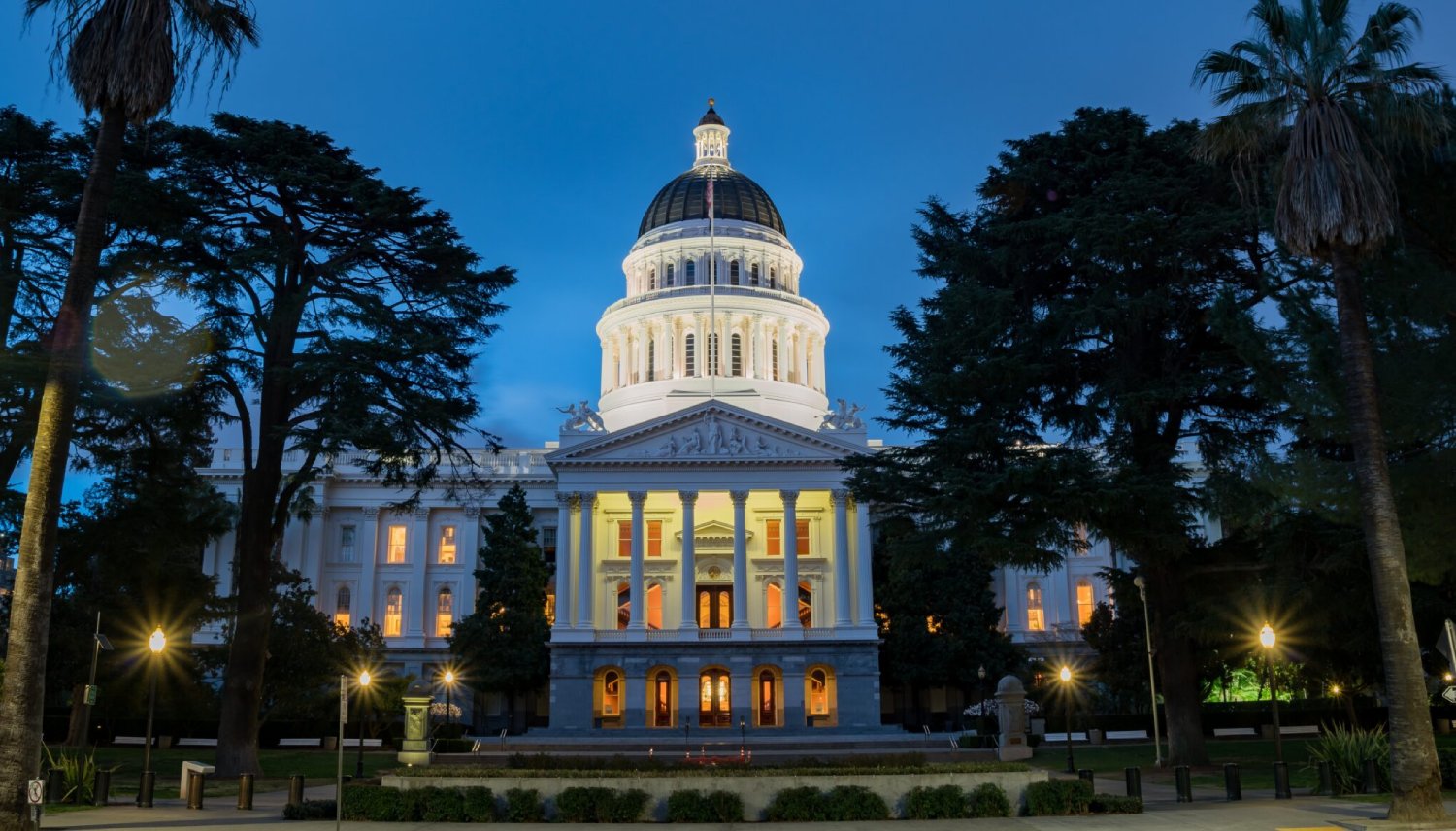
1. California State Capitol & Capitol Park: The Heart of Civic Life
The California State Capitol is more than the seat of government—it’s a symbol of democracy and resilience in the West. Located in the center of Sacramento, the Capitol blends neoclassical architecture with a working legislature, offering free tours that highlight both its political function and historical artifacts. Surrounding it, Capitol Park spans 40 acres and features memorials, gardens, and walking paths that invite reflection and discovery. Whether attending a rally, admiring the dome, or enjoying the rose garden, this landmark is central to understanding Sacramento's past and present.
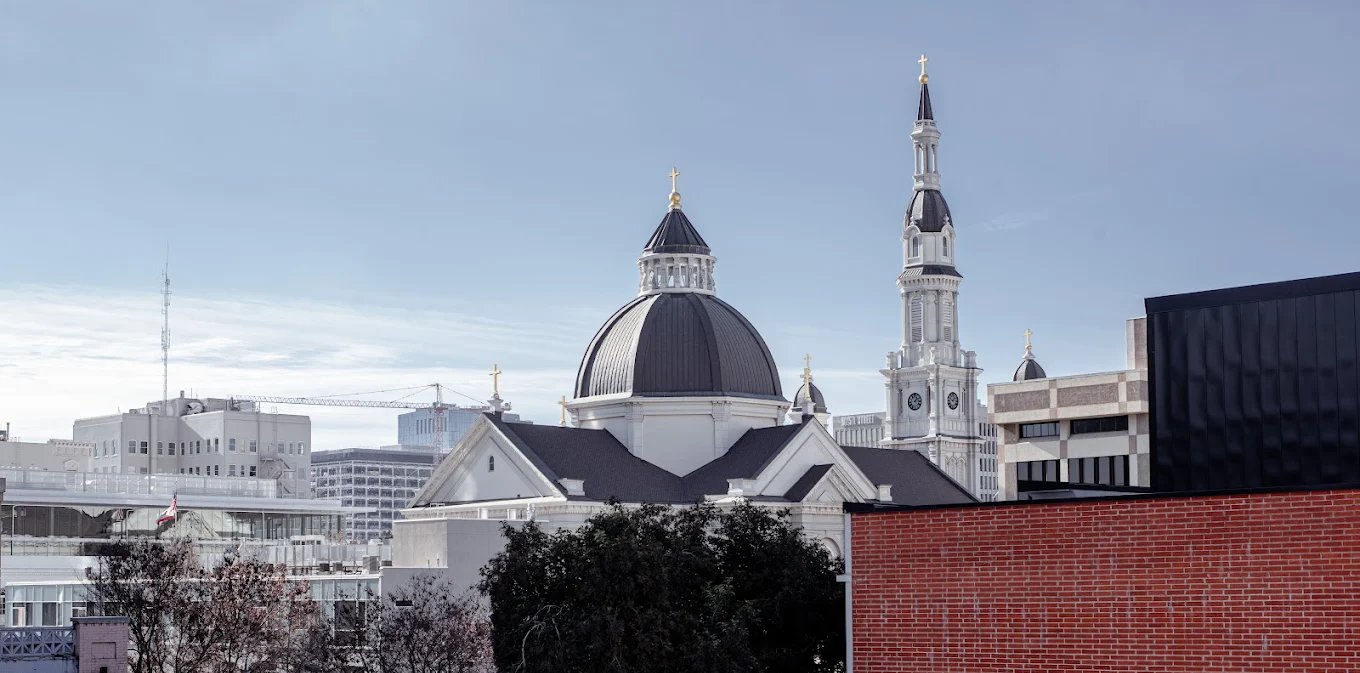
2. Cathedral of the Blessed Sacrament: Faith and Grandeur in Downtown Sacramento
Built in 1889, the Cathedral of the Blessed Sacrament is one of the oldest and most architecturally significant churches in California. Its Renaissance Revival façade and awe-inspiring interior—complete with a massive dome, marble columns, and intricate artwork—make it a spiritual and cultural centerpiece. The cathedral serves not only as a place of worship but also as a gathering space for community events and concerts. A walk through its sanctuary offers a moment of peace amid the downtown bustle.
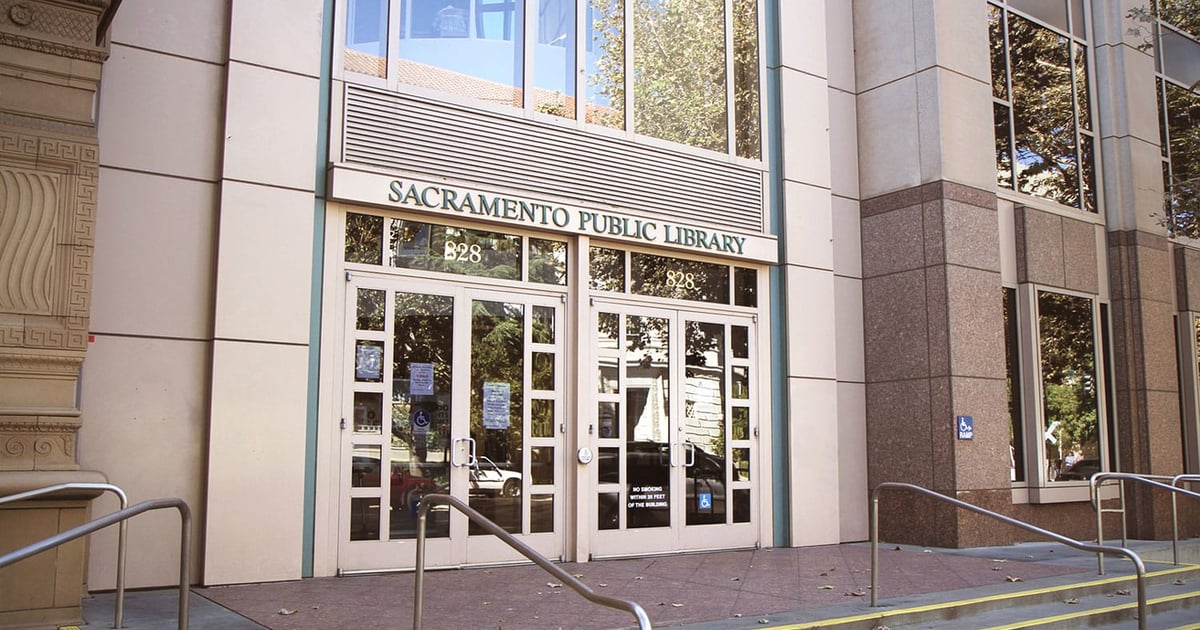
3. Sacramento City Library (Central Branch): Where History and Knowledge Meet
The Central Branch of the Sacramento City Library stands as a pillar of learning and civic pride. Originally established in 1857 and now housed in a grand Beaux-Arts building, the library provides not just books, but access to historical archives, public art, and educational programming. Its stately columns, grand staircase, and inviting reading rooms make it a cultural gem. Whether you’re researching local history or simply enjoying a quiet afternoon, the library remains a welcoming intellectual hub.
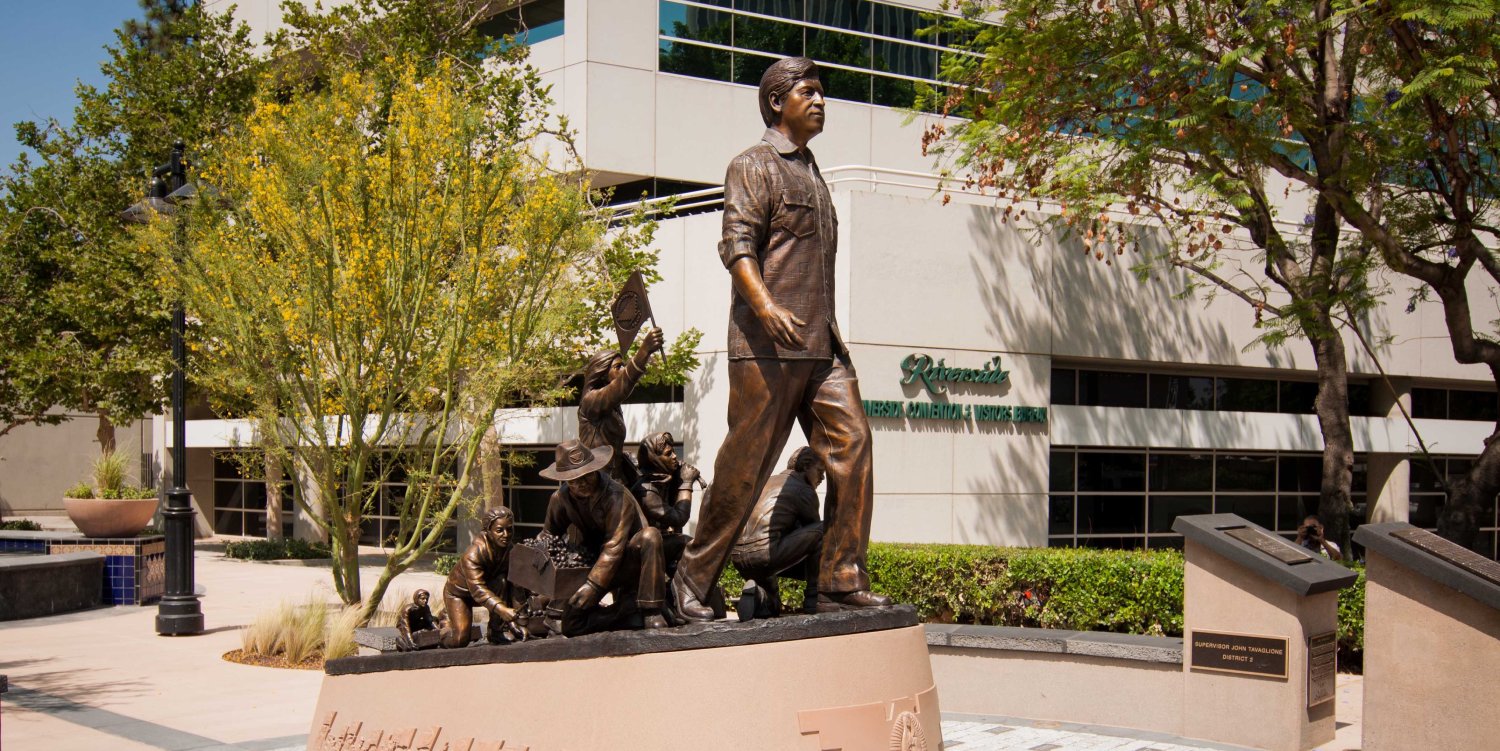
4. Cesar Chávez Plaza: A Civic Square with a Revolutionary Spirit
At the intersection of history and activism, Cesar Chávez Plaza offers open green space surrounded by Sacramento’s government and business district. Named for the iconic labor leader, the plaza hosts farmers markets, cultural festivals, and public demonstrations. It’s a place where art, music, and advocacy often converge. Tall shade trees and public benches offer respite, while the surrounding architecture frames the plaza as a public forum at the heart of the city.
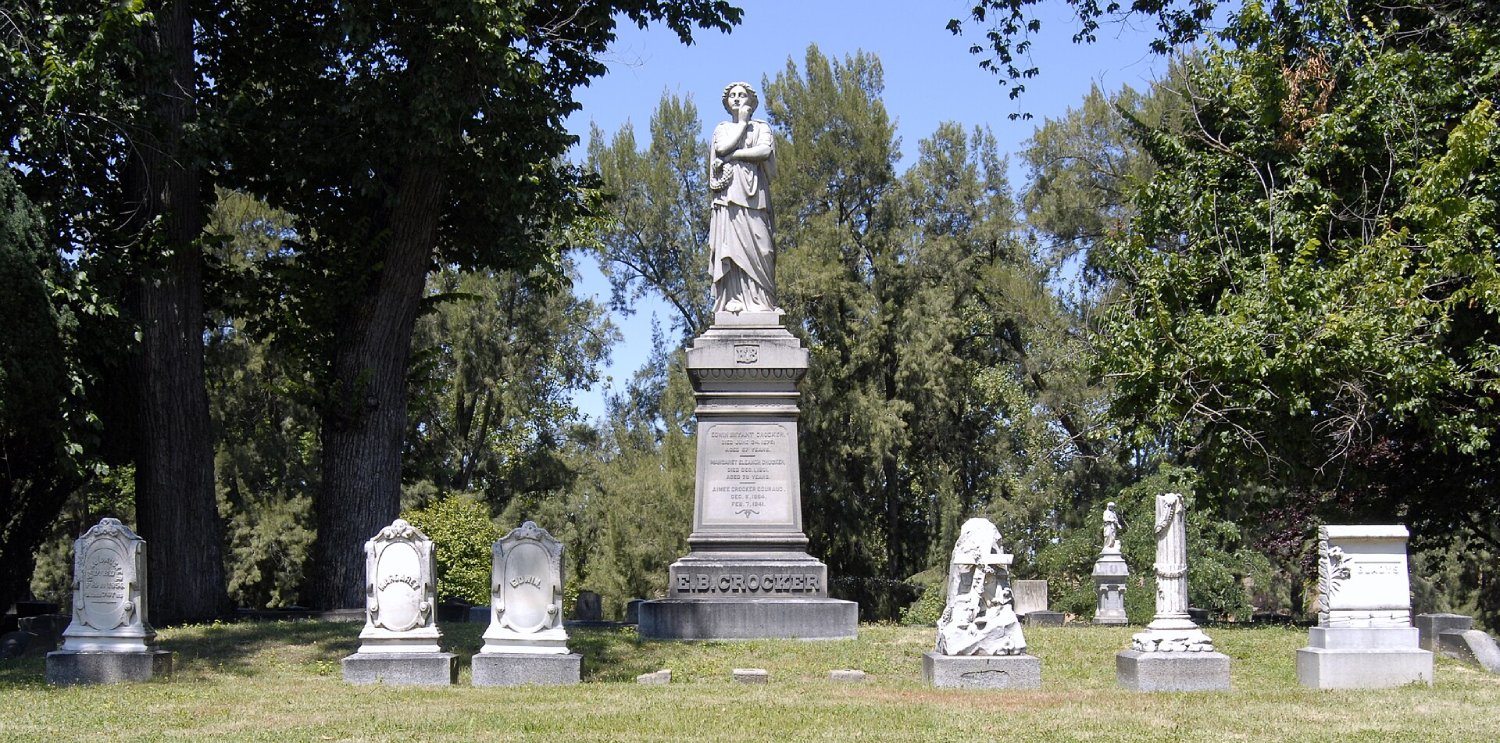
5. Sacramento Historic City Cemetery: A Resting Place Rich in Stories
Sacramento Historic City Cemetery isn’t just a burial ground—it’s a vivid outdoor museum chronicling the city’s origins. Established in 1849, it holds the graves of early pioneers, governors, Civil War veterans, and Gold Rush-era figures. The terraced landscape, Victorian gardens, and elaborate headstones create a contemplative space filled with history. Free tours guide visitors through the narratives of those who shaped early California, making it a powerful stop for history enthusiasts.
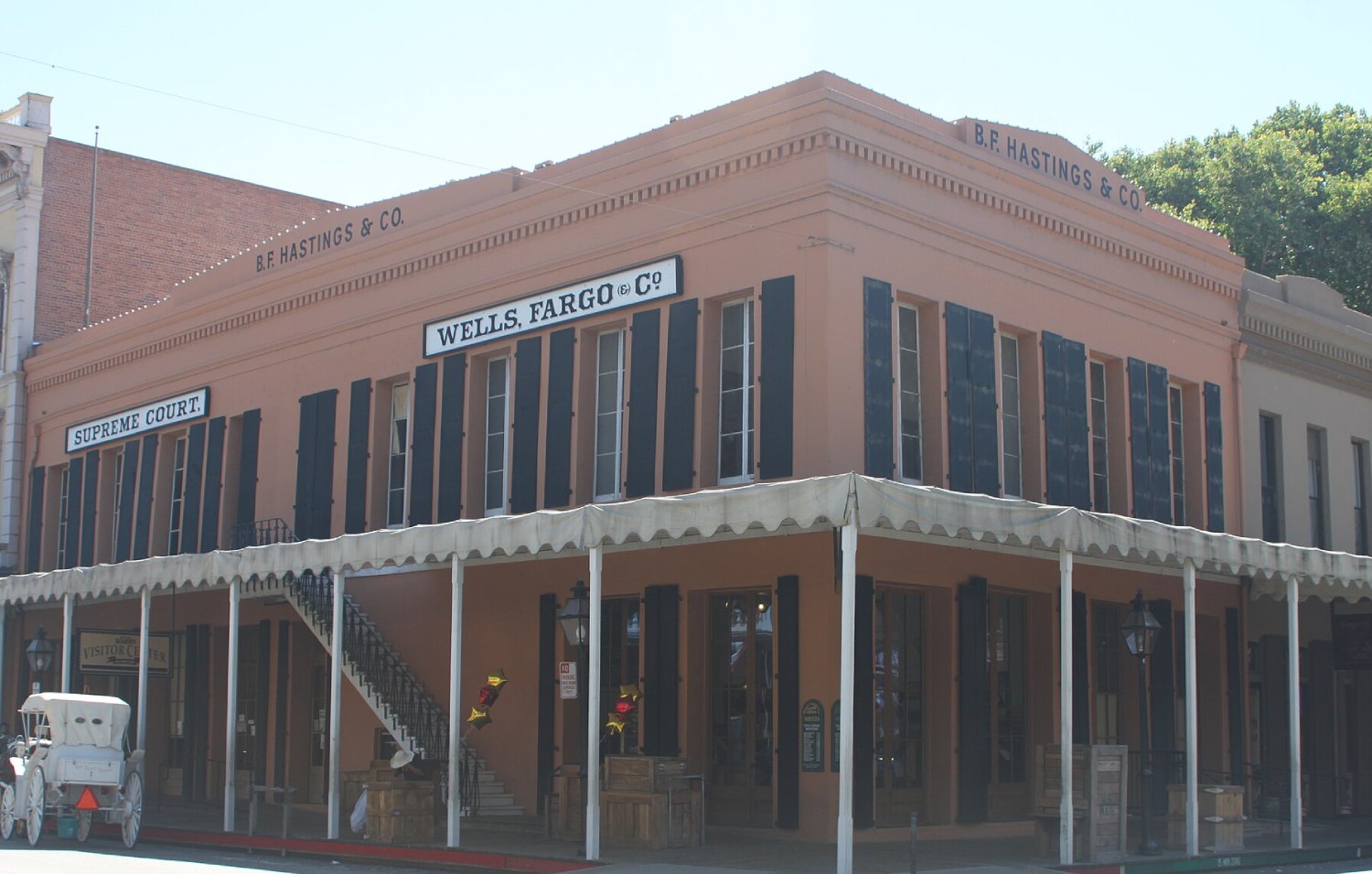
6. Pony Express Terminal (B.F. Hastings Building): Speed, Statehood, and the American West
In the heart of Old Sacramento stands the B.F. Hastings Building, once the western terminus of the Pony Express. From 1860 to 1861, this modest brick structure played a key role in connecting California to the rest of the country via horseback mail delivery. The building also housed the California Supreme Court during early statehood. Today, it stands as a preserved landmark that tells stories of ambition, speed, and legal foundations during the country’s westward expansion.
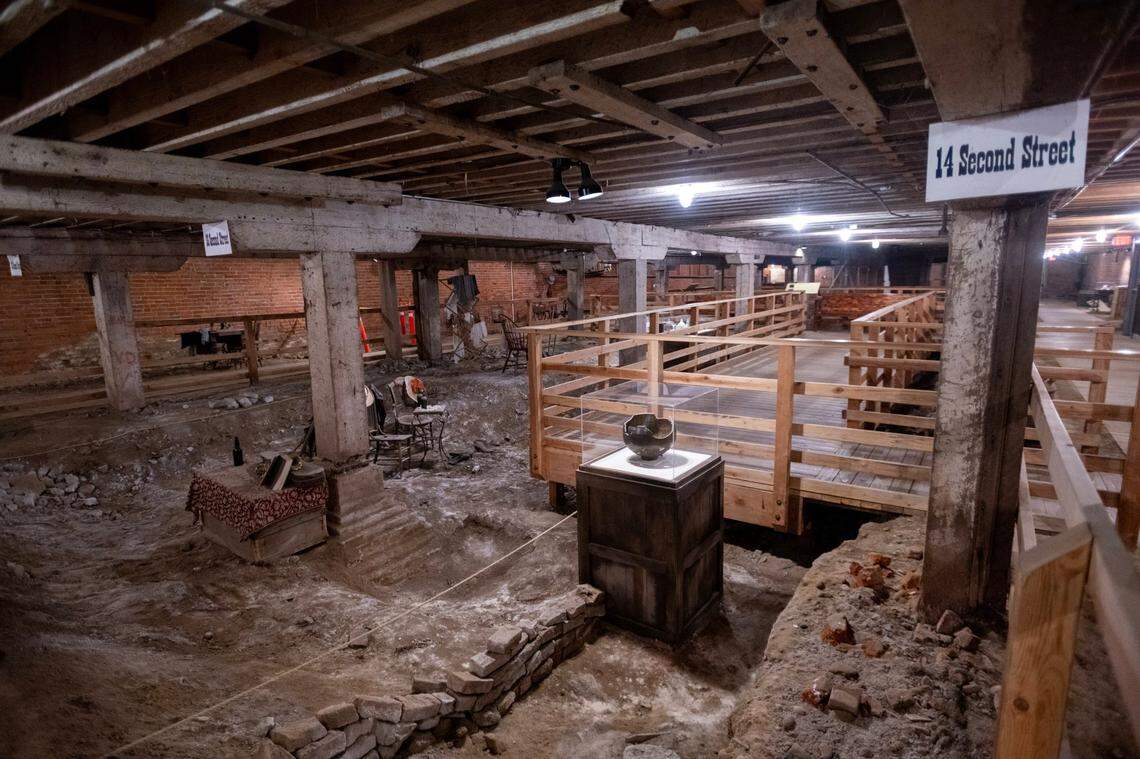
7. Old Sacramento Underground: The City Beneath the City
Hidden below Old Sacramento’s wooden sidewalks lies an entire buried district. In the late 1800s, flooding forced the city to raise its streets, leaving behind storefronts and passageways that are now part of the Old Sacramento Underground. Guided tours take visitors through these atmospheric tunnels, offering insight into urban innovation and daily life in the 19th century. It’s an immersive experience unlike any other—a literal walk through layers of Sacramento’s history.
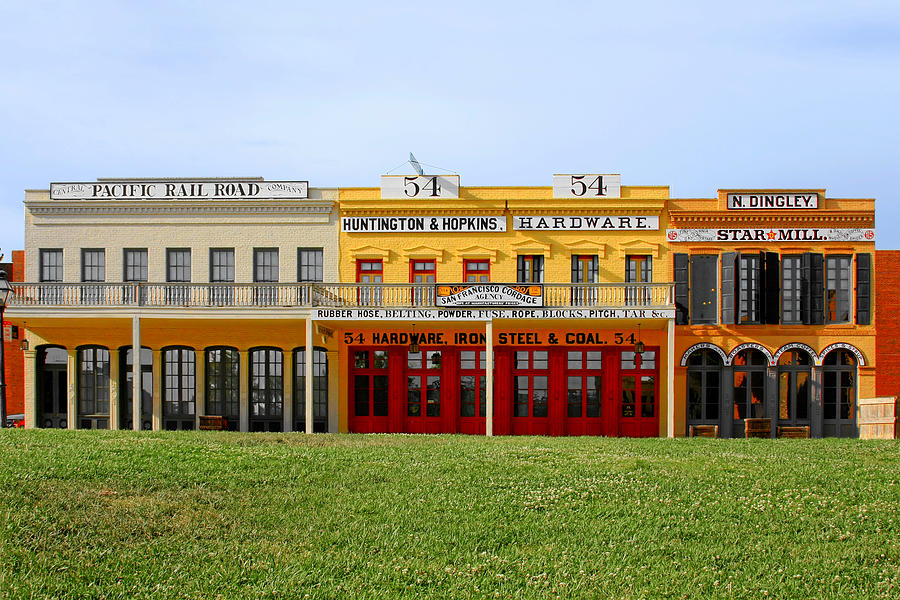
8. Big Four Building (Old Sacramento Icehouses): Where Commerce and Railroads Converged
Standing tall in the Old Sacramento Waterfront District, the Big Four Building played a pivotal role during the Gold Rush and railroad era. Once home to the offices of Central Pacific Railroad’s founding magnates—known as the Big Four—the structure also later served as an ice storage facility. Today, the building reflects both Sacramento’s entrepreneurial roots and its role in national transportation development, offering visitors a window into two transformative periods of American commerce.
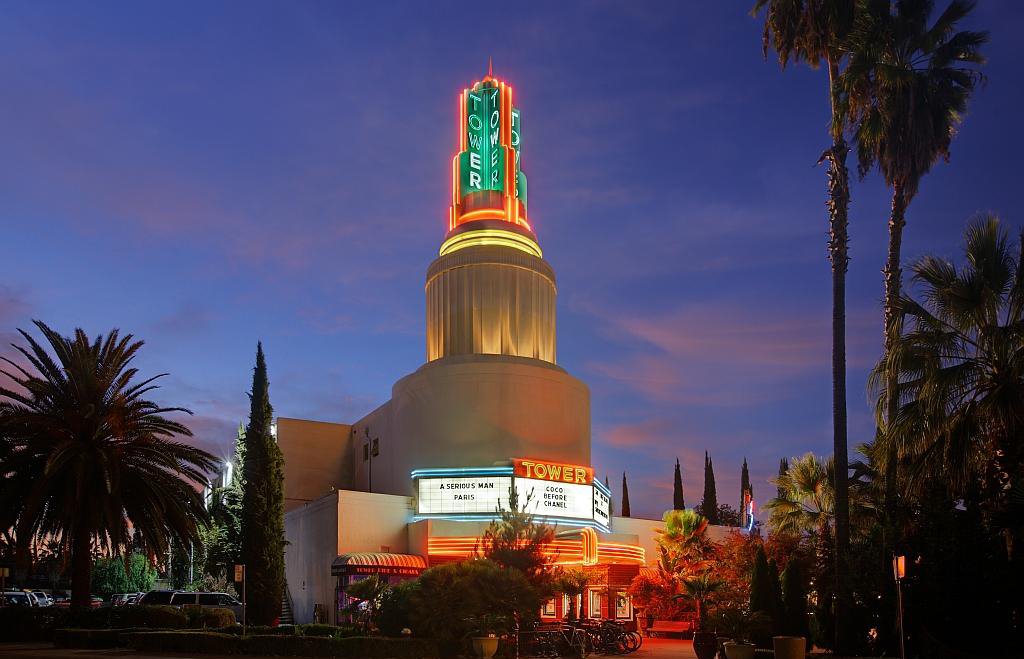
9. Tower Theatre: A Timeless Art Deco Gem in the Heart of Sacramento
Since 1938, the Tower Theatre has captivated filmgoers with its Art Deco design, distinctive neon spire, and curated programming. Located on Broadway, this historic venue balances vintage elegance with modern digital projection. Inside, plush seating, classic detailing, and a rich cinematic lineup make each visit feel special. Whether you’re catching an independent film or attending a festival screening, the Tower Theatre provides a nostalgic yet current cultural experience.
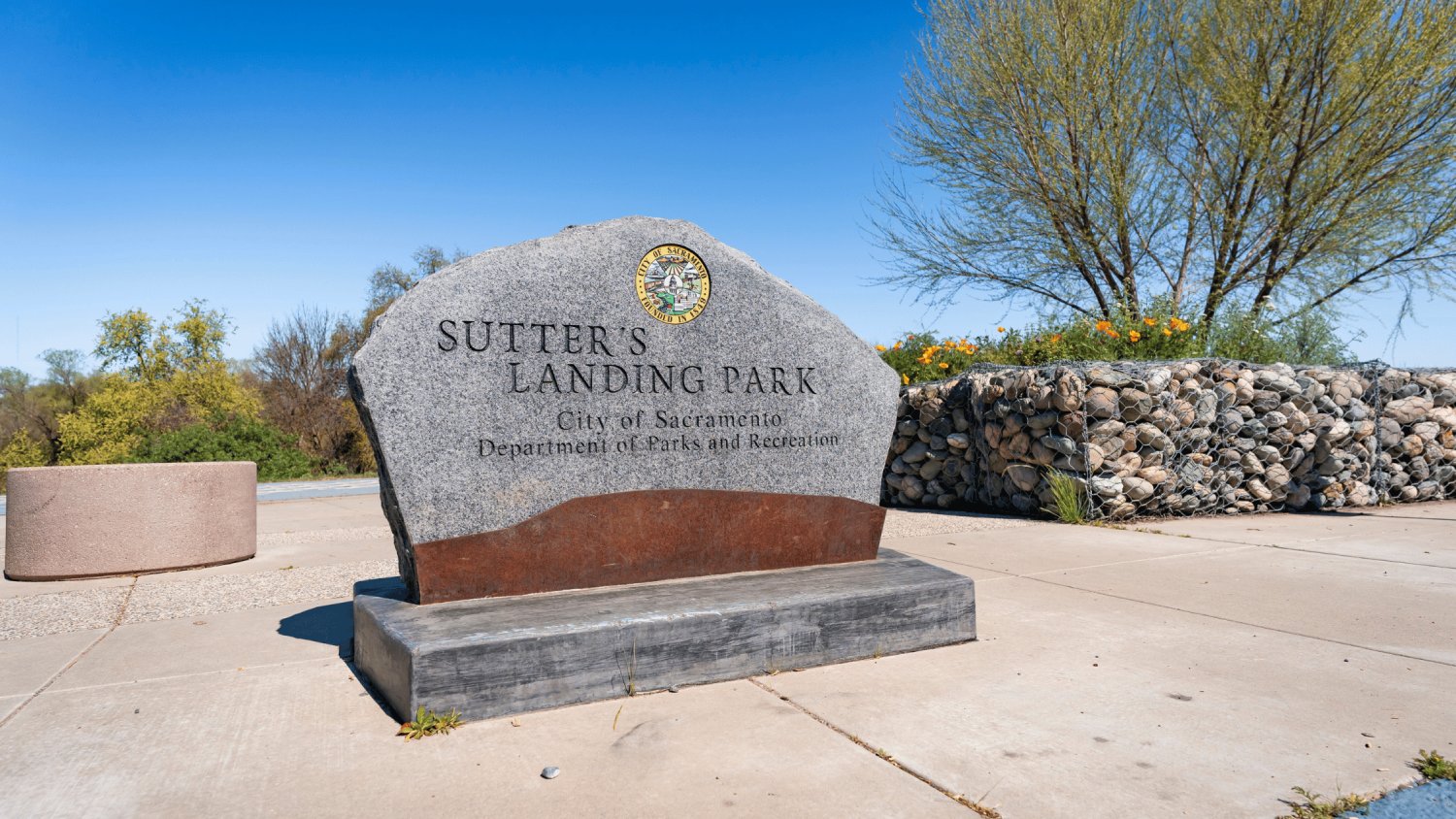
10. Sutter’s Landing: Where Sacramento’s Story Begins
Located along the American River, Sutter’s Landing marks the spot where Swiss pioneer John Sutter first arrived in 1839. Designated California Historical Landmark #591, the site symbolizes the founding of Sacramento and the start of westward settlement in California. Today, the area has transformed into a vibrant recreation space featuring trails, skate parks, and birdwatching spots—blending historical reverence with modern use. It’s a tranquil but powerful place to reflect on the city’s origins.
Conclusion
Sacramento’s identity is built not only on its role as California’s capital, but also on its ability to preserve and reinterpret its past through accessible, meaningful places. From underground streets to Capitol chambers, from cathedral domes to riverside landmarks, these ten destinations reveal a city where heritage and progress walk hand in hand. Whether you're planning a day trip or a deeper dive into the city’s roots, these sites provide a memorable journey through time, culture, and civic pride.